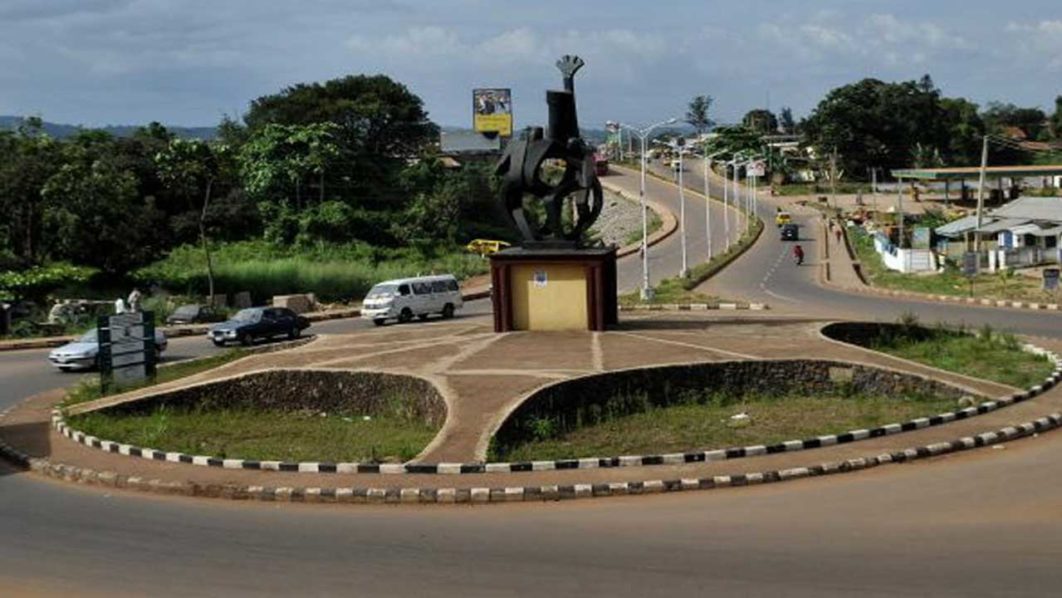
Anglican and Pentecostal Leaders Raise Alarm Over Neglect, Governance Concerns and Alleged Marginalisation in Enugu and Anambra
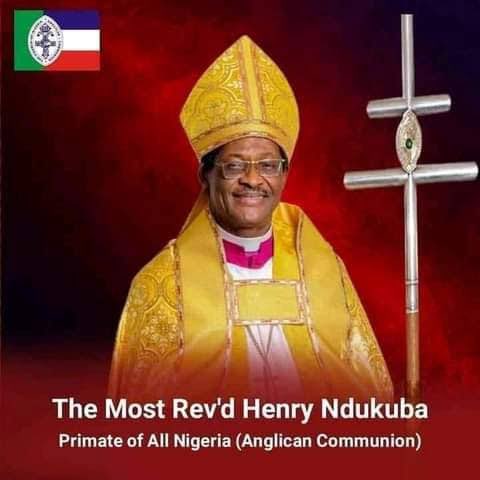
A growing wave of concern is emerging from major Christian bodies in the South-East as leaders of the Anglican Communion and Pentecostal churches reportedly intensify calls for improved governance, inclusiveness, and responsiveness in both Enugu and Anambra States.
According to emerging reports from church circles and civic engagements, senior clerics have raised issues bordering on infrastructure deficits, rising cost of living, insecurity concerns, and what they describe as the need for a more balanced and people-oriented governance structure.
A key concern reportedly highlighted by some Anglican leaders is the perceived exclusion of qualified members of the Anglican Communion from key political and administrative appointments in both states. Church representatives are said to have expressed worry that such exclusion, whether deliberate or systemic, could weaken trust between government and a significant segment of the population.
The bishops, in their engagement with stakeholders, are said to have petitioned relevant authorities, urging them to promote inclusiveness and ensure that appointments into strategic positions reflect fairness, competence, and broad representation across faith groups and communities.
The development comes amid wider public discussions on governance performance in the South-East, where citizens continue to raise concerns about economic pressure, youth unemployment, business conditions, and public service delivery.
Within the Anglican Communion, church leaders have consistently advocated for accountability in governance and equitable participation in public life. The Church of Nigeria (Anglican Communion), which maintains a strong presence in both Enugu and Anambra States, continues to play an influential role in civic dialogue through its dioceses and provincial structures.
Pentecostal leaders have also reportedly joined in calling for governments to adopt more inclusive policies, stressing that leadership should reflect unity and fairness across different religious and social groups.
Political observers note that while such concerns are not new in Nigeria’s public discourse, their re-emergence reflects growing sensitivity around representation, equity, and trust in governance institutions.
In Enugu State, debates have recently centered on taxation, infrastructure delivery, and administrative decisions affecting public confidence, while in Anambra State, security and economic opportunities remain key public concerns.
Analysts suggest that the increasing involvement of religious institutions in governance conversations underscores their continued influence as moral voices and community watchdogs in the region.
As discussions continue, stakeholders say governments in both states may face increasing pressure to address not only economic and infrastructural concerns but also perceptions of exclusion in political appointments.
Ultimately, church leaders insist that inclusive governance is essential for peace, stability, and sustainable development in the South-East.
Don't miss a single update
Related Stories
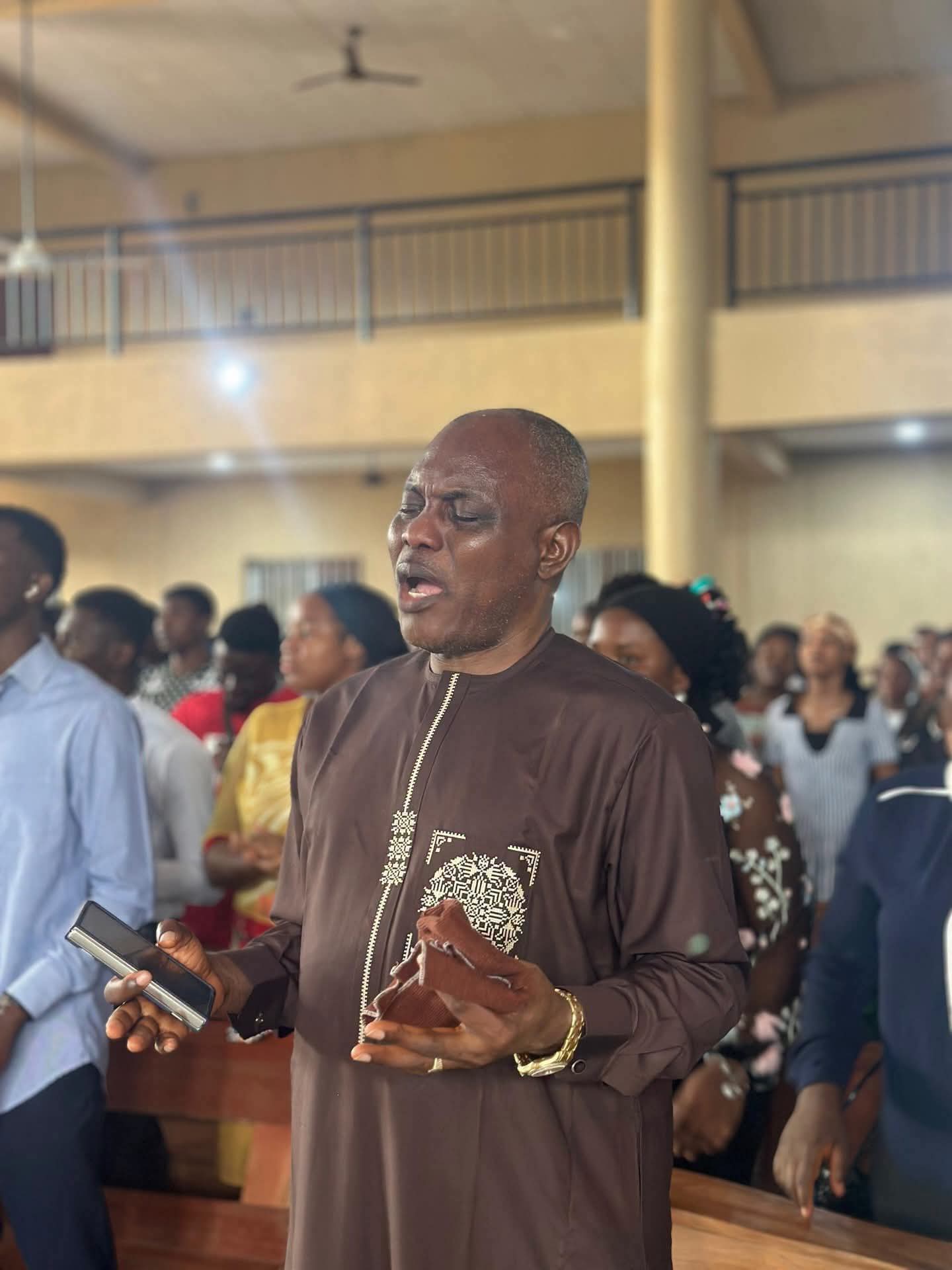
"IF I DIE, HOLD APC RESPONSIBLE": PEACE MASS TRANSIT BOSS SAMUEL MADUKA ONYISHI BREAKS DOWN IN TEARS OVER CRUSHING TAXATION AT JOSTAC INAUGURATION
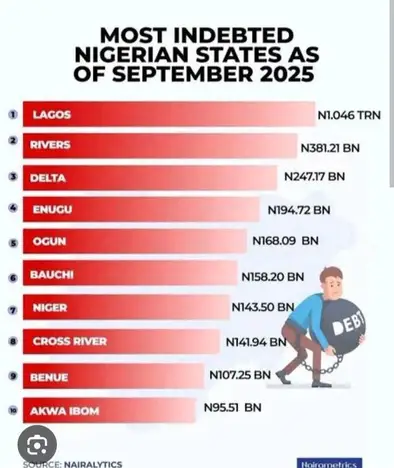
Fiscal Policy Under Scrutiny: Public Debates Intensify Over Enugu State's Rising Debt Profile and Revenue Strategy

Health Crisis Looming: Fake Toothpaste And Adulterated Palm Oil Spark Public Health Fears In Nigeria