
The Burden of Misgovernance: Five Major Concerns Redefining the Enugu State Political Discourse
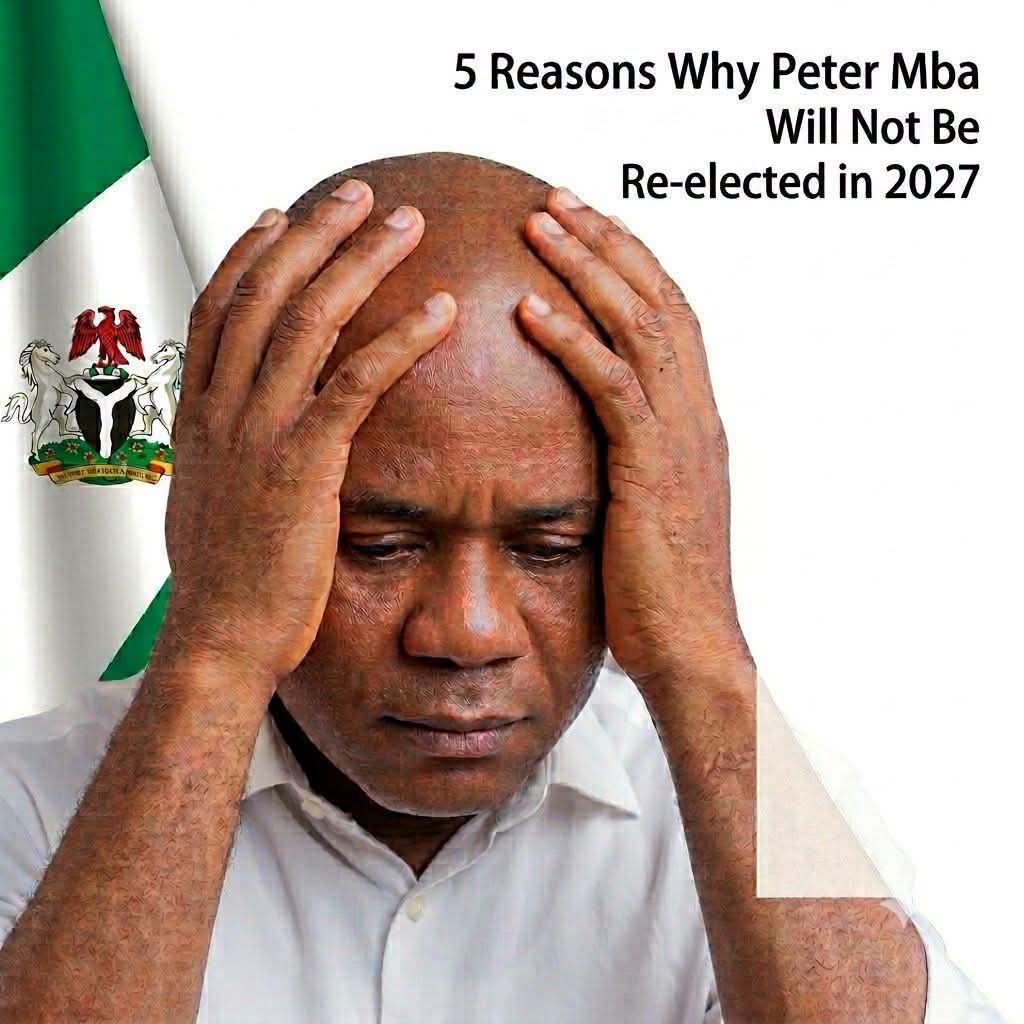
ENUGU, NIGERIA — The prevailing political narrative in Enugu State has shifted decisively toward an intense, unyielding critique of the current governance frameworks, as everyday citizens, trade unions, and grassroots coalitions vocalize their frustration over what has been termed a systematic assault on their livelihoods. A critical data synthesis released by the Lion Building Media Team for Nwakabie outlines five institutional failures that have completely dominated public discourse and crippled public trust in recent months.
From the busy commercial hubs of Enugu's urban centers to the forgotten agrarian communities, the public consensus indicates that governance has drifted far from its primary mandate of public welfare. Instead, residents and small business owners report facing a hostile economic environment characterized by predatory administrative policies, structural neglect, and an acute lack of accountability.
The Five Fractures of Trust
According to field assessments and citizen feedback loops, the critical areas driving the deep public dissatisfaction include:
1. Predatory and Excessive Taxation: Local economies are currently buckling under the suffocating weight of multiple, overlapping taxes, aggressive enforcement, and arbitrary levies. Small-scale traders, transport workers, and local businesses have repeatedly cried out over this heavy financial burden, which weighs heavily on businesses and residents alike.
2. Brutal Market Demolitions Without Compensation: Public outrage has reached a boiling point over the continuous demolition of local markets and commercial stalls. Many traders have suffered significant losses due to market demolitions carried out without fair, timely, and adequate compensation.
3. Total Neglect of Rural Infrastructure: Beyond the surface-level aesthetics of a few urban zones, rural communities continue to face severe structural decay, leaving them with inadequate roads, healthcare facilities, water supply, and other essential infrastructure.
4. Fortified Leadership and Zero Engagement: Persistent concerns have been raised regarding the total lack of accessibility to current political office holders. Constituents report that leadership has become completely detached, maintaining limited access and insufficient engagement with the public on critical issues.
5. A Legacy of Broken Promises and Vanishing Credibility: The primary driver of public傲disillusionment remains the vast catalog of commitments and structural promises that have been completely abandoned. This systematic failure to deliver on promises has raised fundamental questions regarding accountability, honor, and basic trust in governance.
The Drive for Electoral Accountability
Political analysts note that the formal highlighting of these five core grievances by the Nwakabie media apparatus has provided a highly potent, unifying vocabulary for the electorate. These severe governance failures are serving as the ultimate mobilization tool for those seeking genuine change across the state.
The message reverberating across the grassroots is entirely uncompromising: the citizens of Enugu State can no longer afford to reward policies that tax them into poverty, demolish their businesses, ignore their rural villages, lock them out of governance, and feed them on a continuous diet of unfulfilled promises. Under the banner of the Lion Building Media Team, the call for an immediate, systemic correction has been fully activated, positioning the upcoming political cycles as the definitive platform for the masses to reclaim their economic dignity, rebuild trust, and vote for transformational representation.
Don't miss a single update
Related Stories

Search and Rescue Underway as Nigerian Air Force ATR-42 Aircraft Crashes in Ondo State with 32 On Board
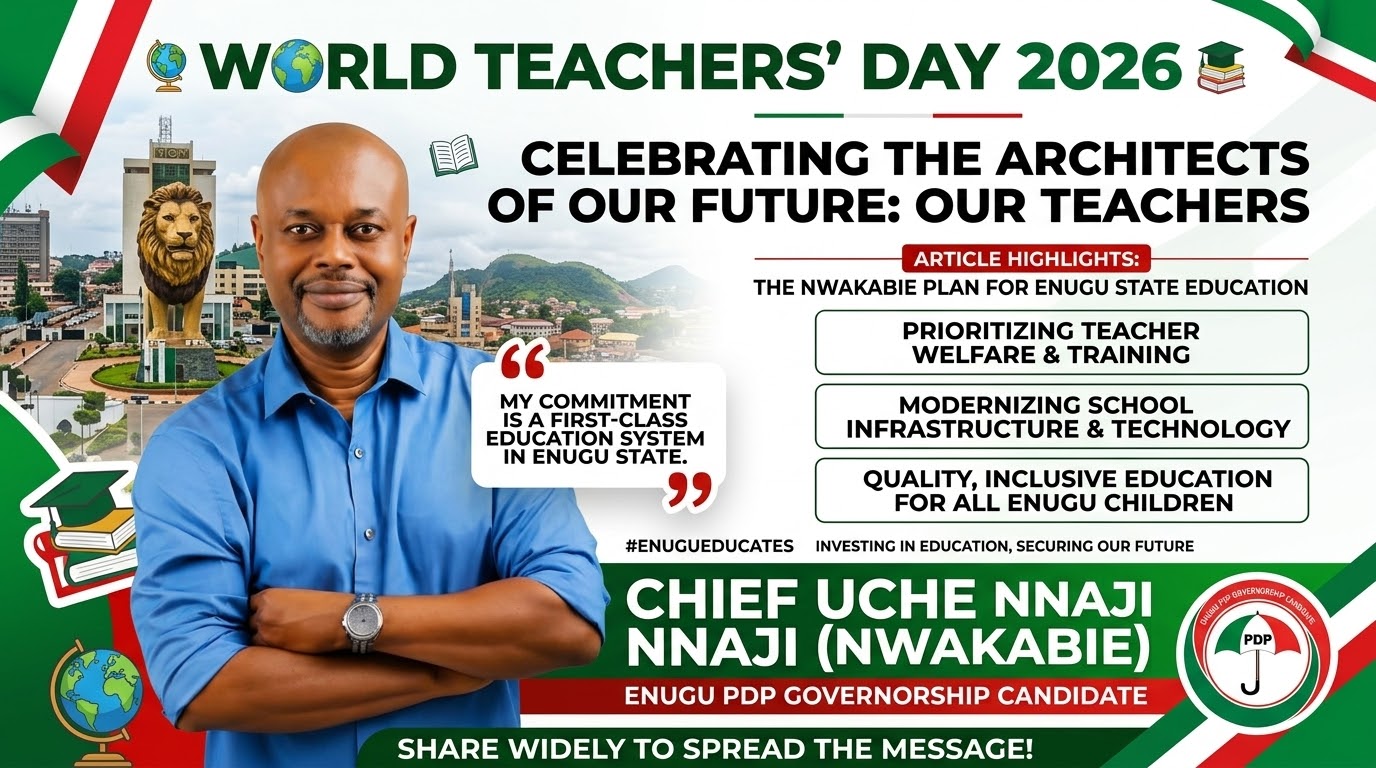
WORLD TEACHERS’ DAY 2026: CHIEF UCHE NNAJI SALUTES TEACHERS, CALLS EDUCATION THE CORNERSTONE OF ENUGU’S RECOVERY AND INDUSTRIALIZATION
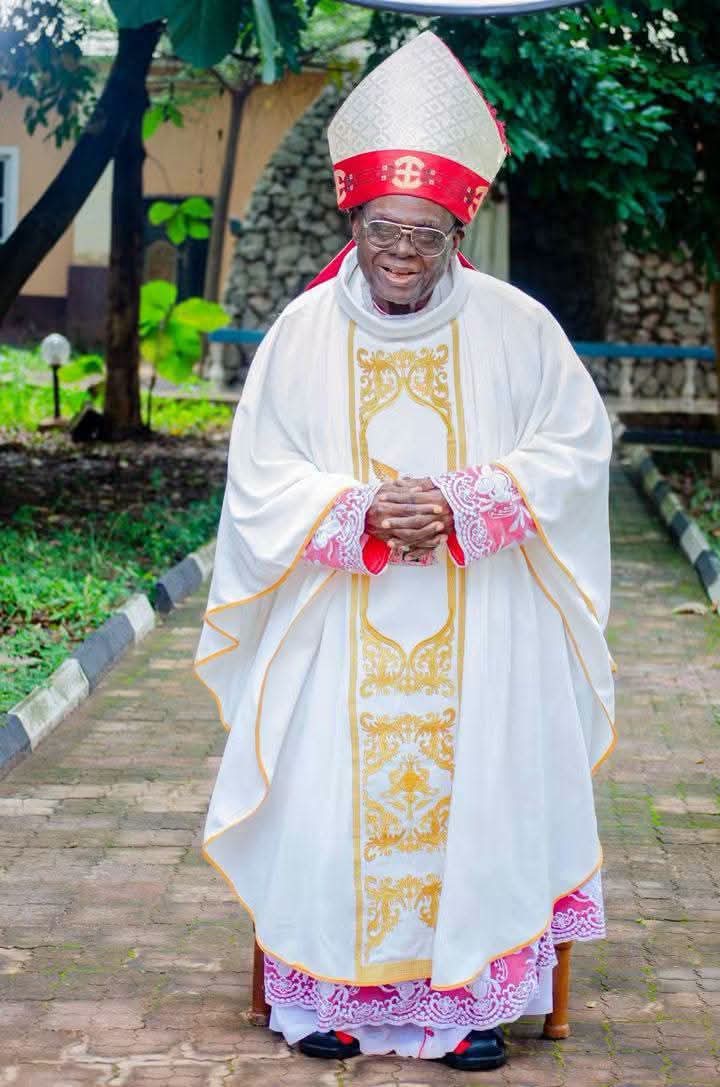
NIGERIA’S OLDEST CATHOLIC PRELATE, BISHOP ANTHONY GBUJI, MARKS HISTORIC 53RD EPISCOPAL ORDINATION ANNIVERSARY