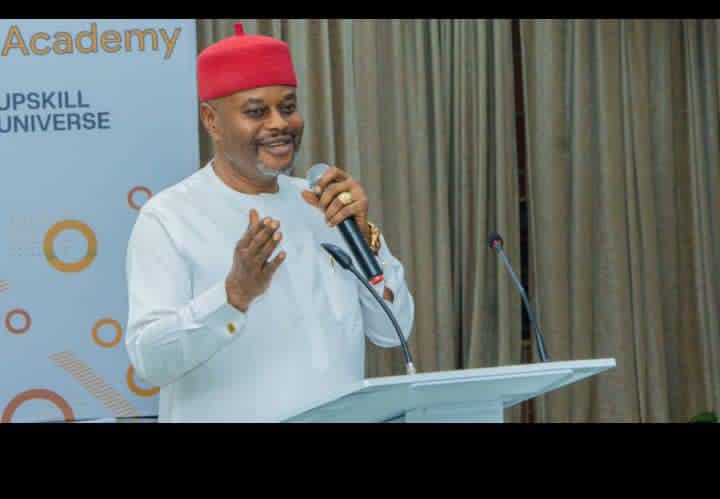
Chief Uche Geoffrey Nnaji: The Structurist of a New Enugu Political Order
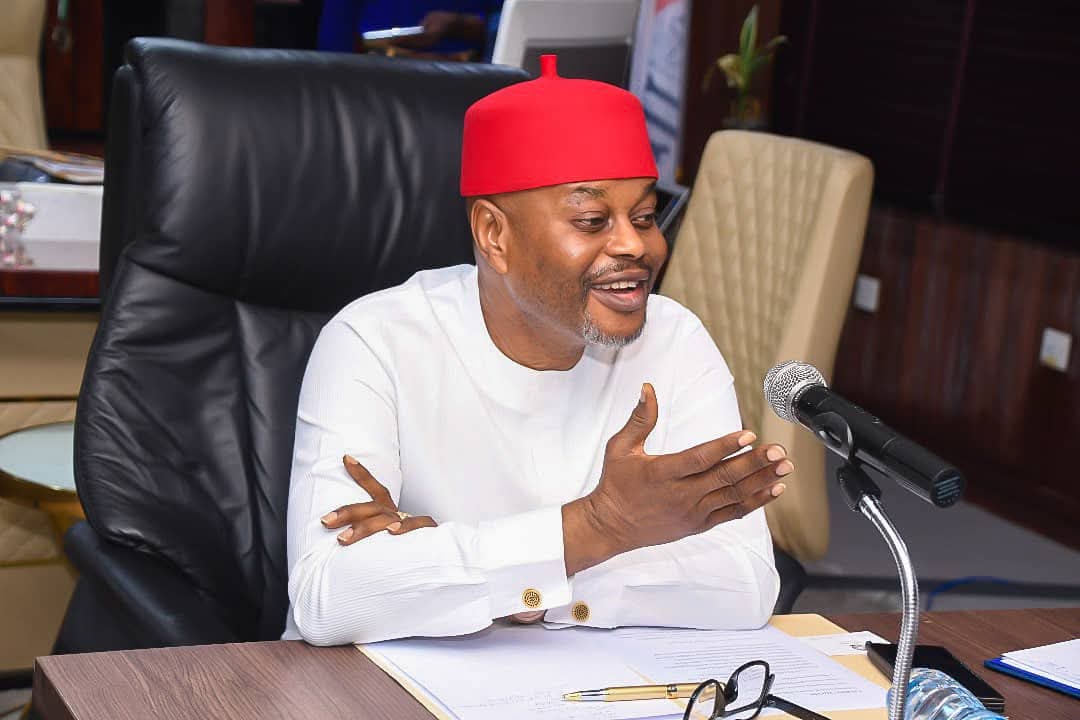
In 2022, when the All Progressives Congress (APC) faced widespread unpopularity in many parts of Nigeria, especially in Enugu State, Chief Uche Geoffrey Nnaji made a political decision that set him apart from many contemporaries. While several politicians aligned with prevailing public sentiment, he reportedly remained committed to the presidential ambition of Bola Ahmed Tinubu.
At a time of economic uncertainty and public dissatisfaction with the outgoing administration, his support for the APC in Enugu was widely viewed as a politically risky move. Despite criticism and opposition, he was credited in the write-up with building a strong political structure anchored on loyalty, persistence, and long-term strategy.
Although electoral success did not materialize in that period, his political presence reportedly gained national attention. He was also recognized in the narrative for his contributions in healthcare and technological innovation, including involvement in initiatives linked to medical equipment development and scientific advancement.
Following these developments, he was appointed Minister of Innovation, Science and Technology, where he is said to have introduced reforms and policy direction that left a notable imprint on the ministry within a short period.
However, his tenure was also marked by controversies and political criticism, which eventually led to his resignation. After stepping down, his established political network in Enugu State reportedly shifted within the state’s evolving political structure.
According to the narrative, he later transitioned into the Peoples Democratic Party (PDP), where his influence and grassroots appeal continued to grow, strengthening his political relevance across party lines.
His emergence as a PDP flag bearer, as claimed in the report, is presented as a reflection of changing political sentiments in Enugu State and increasing demand for leadership based on competence, inclusion, and development-oriented governance.
The piece further frames his journey as one shaped by loyalty, patience, and political consistency, arguing that such traits remain central in long-term political success.
It concludes by suggesting that Enugu State stands at a political crossroads, where voters must choose between continuity and a new leadership direction driven by structure, vision, and governance philosophy.
Don't miss a single update
Related Stories

NYSC Announces Dates For 2026 Batch ‘C’ Registration, Mandates NERD Clearance For Prospective Corps Members

Chief Uche Nnaji Extends Eid Ul Mawlid Greetings To Muslim Community, Urges Unity And Peace
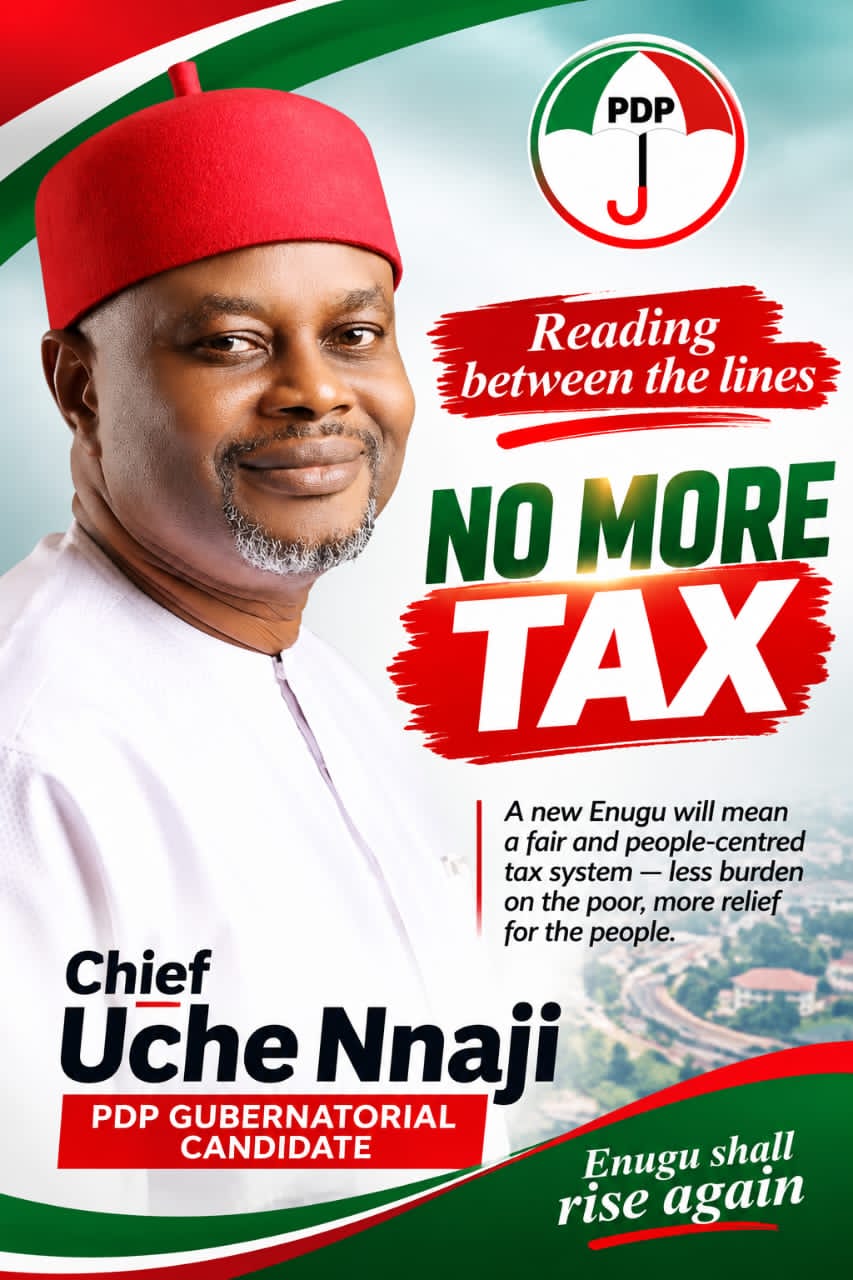
Understanding Chief Uche Nnaji’s Tax Vision: Why "No More Over-Taxation" Means Fairer Relief For Ndi Enugu