2027 Politics: Old Mosque Demolition Allegation Against Peter Obi Resurfaces, Supporters Cite Contrary Evidence
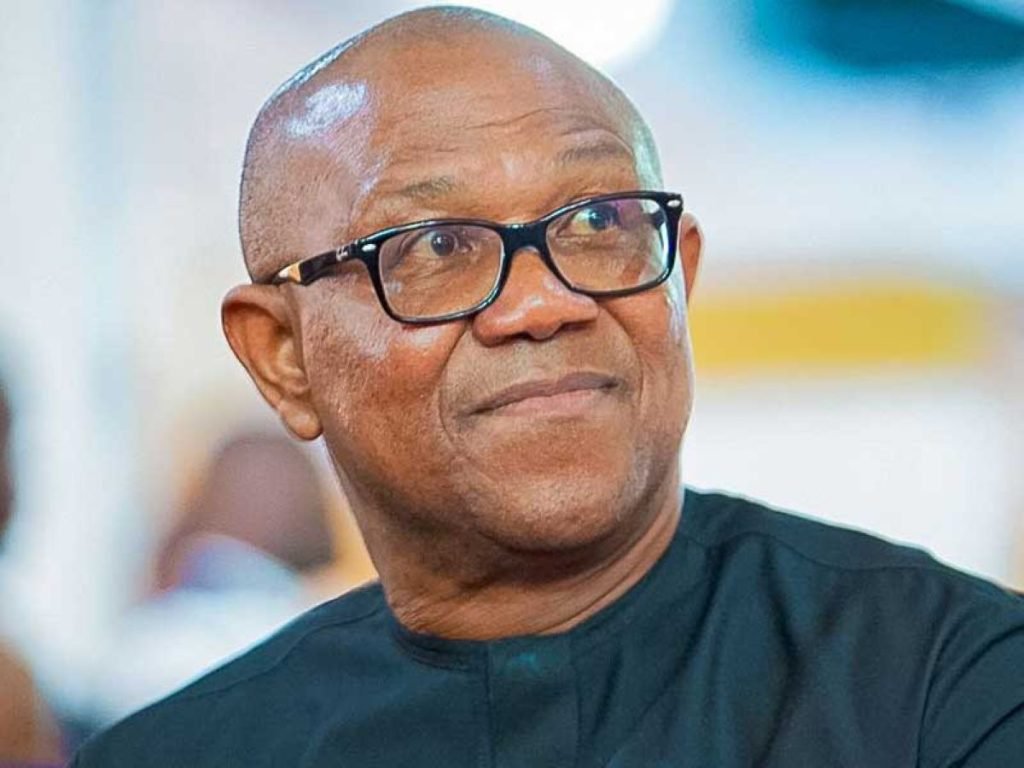
An old controversy involving former Anambra State Governor and NDC presidential aspirant Peter Obi has resurfaced on social media, reigniting debate over events that occurred during his administration.
The allegation claims that Obi ordered the demolition of the Central Mosque in Onitsha because of anti-Northern or anti-Muslim sentiments. However, multiple fact-checks and historical accounts have consistently linked the demolition to an urban renewal and road expansion exercise carried out around the Bridgehead and Upper Iweka areas of Onitsha rather than to religious discrimination.
Supporters of Obi argue that the narrative has repeatedly been used during election seasons despite the existence of contrary evidence. They point to reports showing that the former governor maintained cordial relations with Muslim communities during his time in office and supported renovation efforts on mosque facilities in the state.
Among those responding to the renewed claims is Yunusa Tanko, who stated that efforts would continue to counter what he described as misinformation surrounding Obi's record.
According to Tanko, allegations relating to the mosque demolition and separate claims concerning identity card policies have been repeatedly investigated and challenged with documented evidence.
The issue has resurfaced at a time when political conversations surrounding the 2027 elections are becoming increasingly intense, with supporters and opponents of major political figures actively debating past records and policy decisions.
Political analysts note that historical controversies often re-emerge during election cycles as parties and supporters seek to influence public perception. They caution that voters should verify claims through credible sources and documented records before drawing conclusions.
Meanwhile, attention continues to shift toward the broader political landscape as parties conclude primaries and prepare for the next phase of campaigns ahead of the 2027 general elections.
For many observers, the renewed debate highlights the growing role of fact-checking and digital verification in shaping political discourse in Nigeria's evolving electoral environment.
Don't miss a single update
Related Stories

TRAGEDY IN ENUGU: OUTRAGE AND HEARTBREAK AS TASK FORCE ASSAULT ALLEGEDLY CLAIMS LIFE OF KEKE DRIVER, FRIDAY NWOBODO, AT GARRIKI TERMINAL

HORROR IN ENUGU: POLICE ARREST 30-YEAR-OLD MAN FOR GRUESOME MURDER OF GIRLFRIEND CONCEALED IN TOILET

EXPOSE: GOVERNOR PETER MBAH’S 12,000 TEACHER RECRUITMENT CAMPAIGN PARALYZED BY UNFULFILLED PROMISES AND DEFICITS