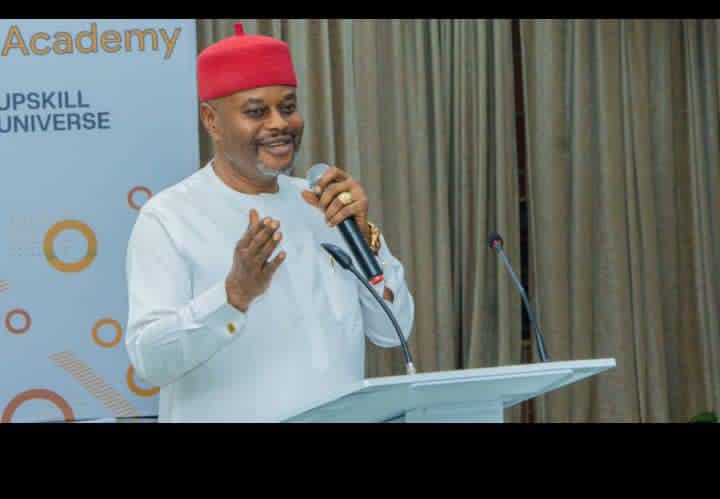
2027: Political Temperature Rises in Enugu as Aspirants Intensify Ground Mobilization and Party Consultations
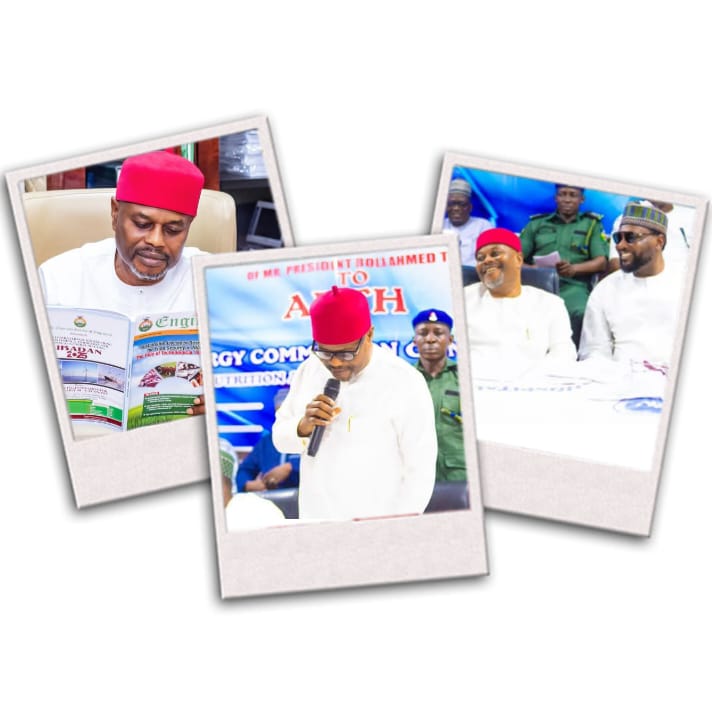
The political environment in Enugu State is witnessing a steady rise in activity as stakeholders begin strategic positioning ahead of the 2027 governorship election.
Across communities, party structures, and political interest groups, consultations have intensified as aspirants and supporters work to consolidate influence and strengthen grassroots presence.
One of the names frequently mentioned in political discussions is Chief Uche Geoffrey Nnaji, whose supporters continue to promote his candidacy as part of ongoing debates on leadership direction and governance priorities in the state.
Political observers note that early mobilization efforts are becoming more visible, with increased engagements across local government areas, youth groups, and political forums.
Supporters argue that the emerging political alignments reflect a broader demand for improved governance, economic development, and job creation across the state.
However, analysts maintain that the political field remains open, with internal party dynamics, zoning arrangements, and broader electoral negotiations expected to significantly influence final outcomes.
In Enugu State, political conversations have also expanded into public spaces and digital platforms, where discussions about leadership, performance, and future expectations continue to gain traction.
Stakeholders believe that the coming months will be critical in determining how alliances form and how political narratives evolve ahead of the 2027 elections.
As the political season unfolds, attention remains focused on how major actors will balance party interests, public expectations, and strategic positioning.
Don't miss a single update
Related Stories
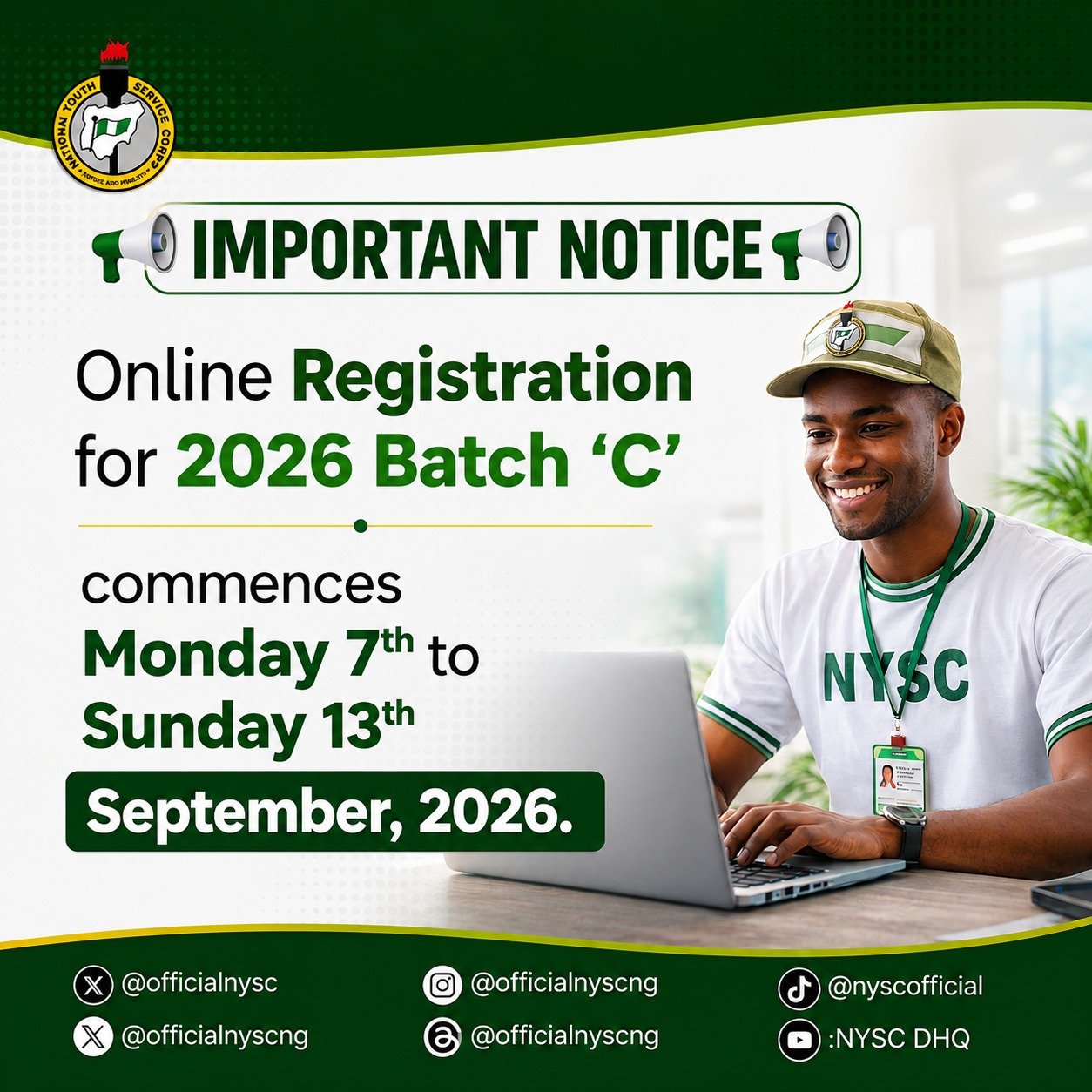
NYSC Announces Dates For 2026 Batch ‘C’ Registration, Mandates NERD Clearance For Prospective Corps Members

Chief Uche Nnaji Extends Eid Ul Mawlid Greetings To Muslim Community, Urges Unity And Peace
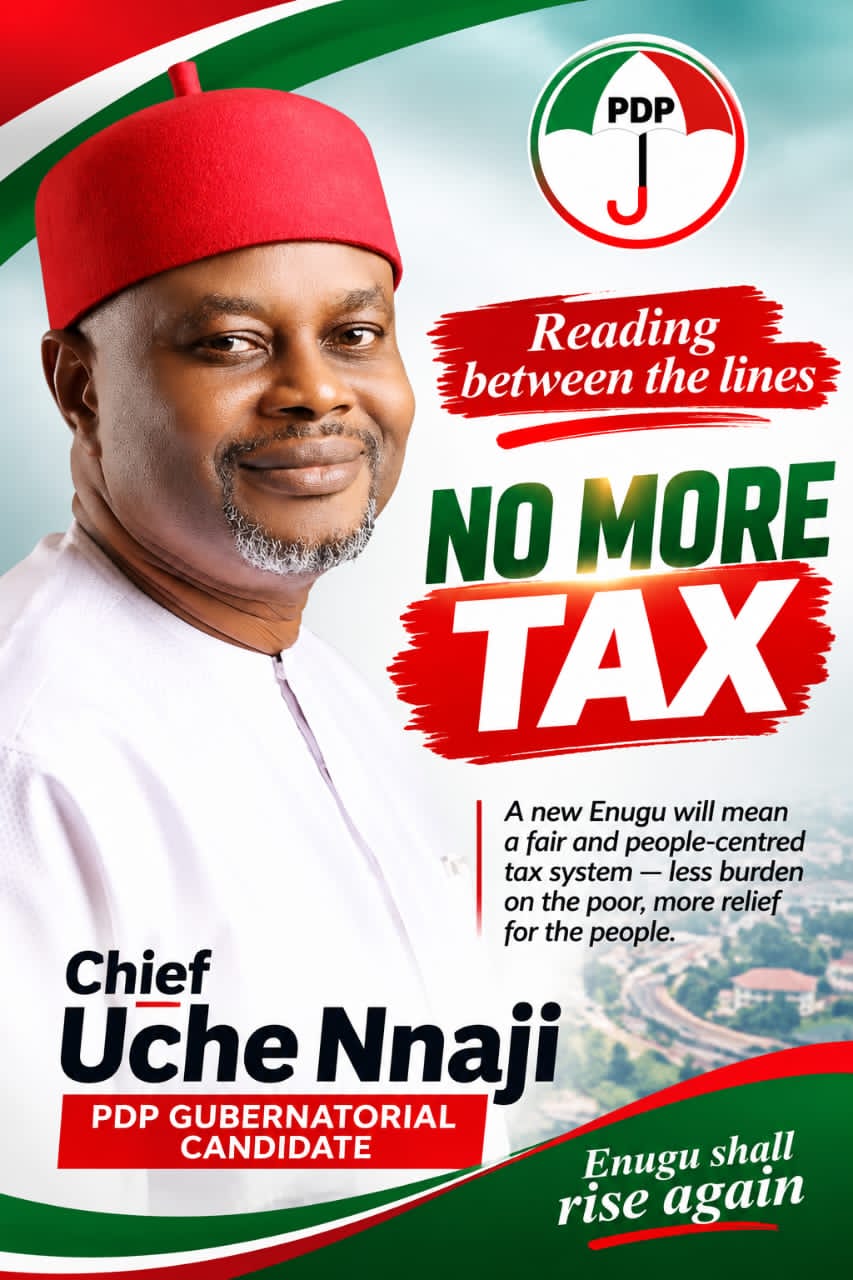
Understanding Chief Uche Nnaji’s Tax Vision: Why "No More Over-Taxation" Means Fairer Relief For Ndi Enugu