
Beyond the Ribbon-Cutting: Measuring Healthcare Progress Through Real Outcomes
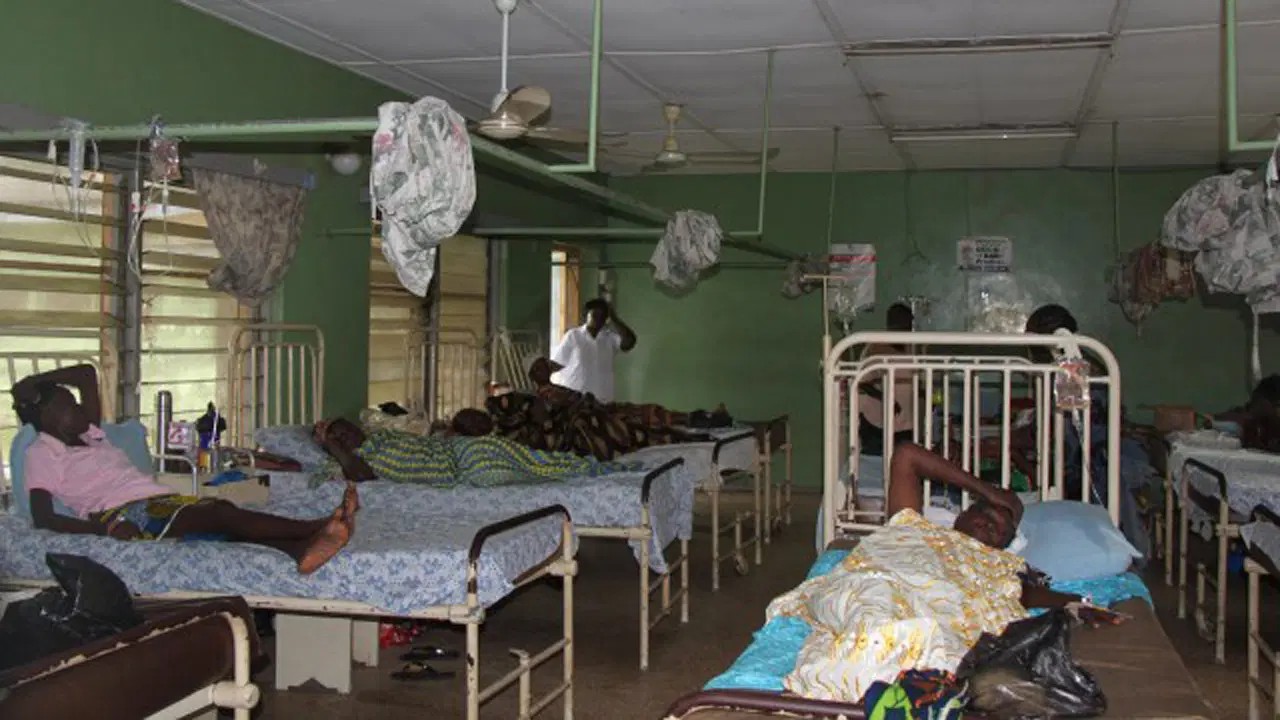
Healthcare Progress Should Be Measured by Outcomes, Not Publicity
Healthcare investments deserve recognition, particularly when they are aimed at improving the survival and wellbeing of newborn children. The provision of neonatal equipment such as incubators, phototherapy units, infant warmers, patient monitors, and infusion pumps is undoubtedly a positive intervention that can strengthen healthcare delivery and support vulnerable patients.
However, public discourse must remain grounded in facts and objective assessment. While the equipment recently unveiled represents an important addition to neonatal care services, it is equally important to distinguish between a routine healthcare upgrade and a transformative healthcare breakthrough.
The facilities showcased consist largely of standard neonatal support equipment commonly found in many secondary and tertiary healthcare institutions across Nigeria. These tools are essential components of neonatal care and should be available in any well-functioning hospital. Their acquisition is commendable, but it should not automatically be presented as the establishment of a world-class neonatal intensive care facility.
Globally recognized neonatal intensive care units (NICUs) are defined not only by equipment but by a comprehensive healthcare ecosystem that includes advanced respiratory support systems, central oxygen infrastructure, integrated monitoring technologies, specialized diagnostic capabilities, infection-control systems, highly trained neonatal specialists, and round-the-clock critical care services. True healthcare transformation extends beyond procurement to encompass personnel, infrastructure, sustainability, and measurable patient outcomes.
The real indicators of progress in the healthcare sector are reflected in improvements such as reduced infant and maternal mortality rates, increased access to quality healthcare in rural communities, enhanced specialist availability, improved doctor-to-patient ratios, reliable power and oxygen supply, expanded emergency response capacity, and effective retention of healthcare professionals.
Citizens increasingly expect governance to be evaluated through measurable impact rather than ceremonial presentations. While commissioning events and public awareness campaigns have their place, sustainable healthcare development is ultimately determined by the quality, accessibility, affordability, and effectiveness of services delivered to the people.
Recognizing healthcare interventions should not prevent constructive scrutiny. Public accountability requires acknowledging achievements while also maintaining realistic expectations about their scale and significance. Commending a neonatal ward upgrade is appropriate; presenting it as a revolutionary transformation of the healthcare sector may not accurately reflect the broader realities and challenges that remain.Healthcare investments that improve neonatal care deserve recognition, but public accountability requires a clear distinction between routine infrastructure upgrades and genuine healthcare transformation.
As Enugu continues its development journey, public attention will likely remain focused not on announcements alone, but on tangible improvements in healthcare delivery, economic opportunities, institutional performance, and overall quality of life. The goal should always be sustainable progress that citizens can experience directly, rather than achievements measured primarily through publicity and perception.
Don't miss a single update
Related Stories

WORLD TEACHERS’ DAY: ODAA OPUO COMMENDS TEACHERS FOR THEIR INVALUABLE CONTRIBUTIONS TO SOCIETY

TRAGEDY IN ENUGU: OUTRAGE AND HEARTBREAK AS TASK FORCE ASSAULT ALLEGEDLY CLAIMS LIFE OF KEKE DRIVER, FRIDAY NWOBODO, AT GARRIKI TERMINAL

Odaa Opuo’s Ikem Nkwo Visit Highlights Road Challenges, Community Aspirations and Inclusive Leadership