
Cross-Border Rescue Exposes Nigeria’s Ransom Crisis: Anti-Trafficking Envoy Accuses Security Agencies of Complicity After Mali Mission Success
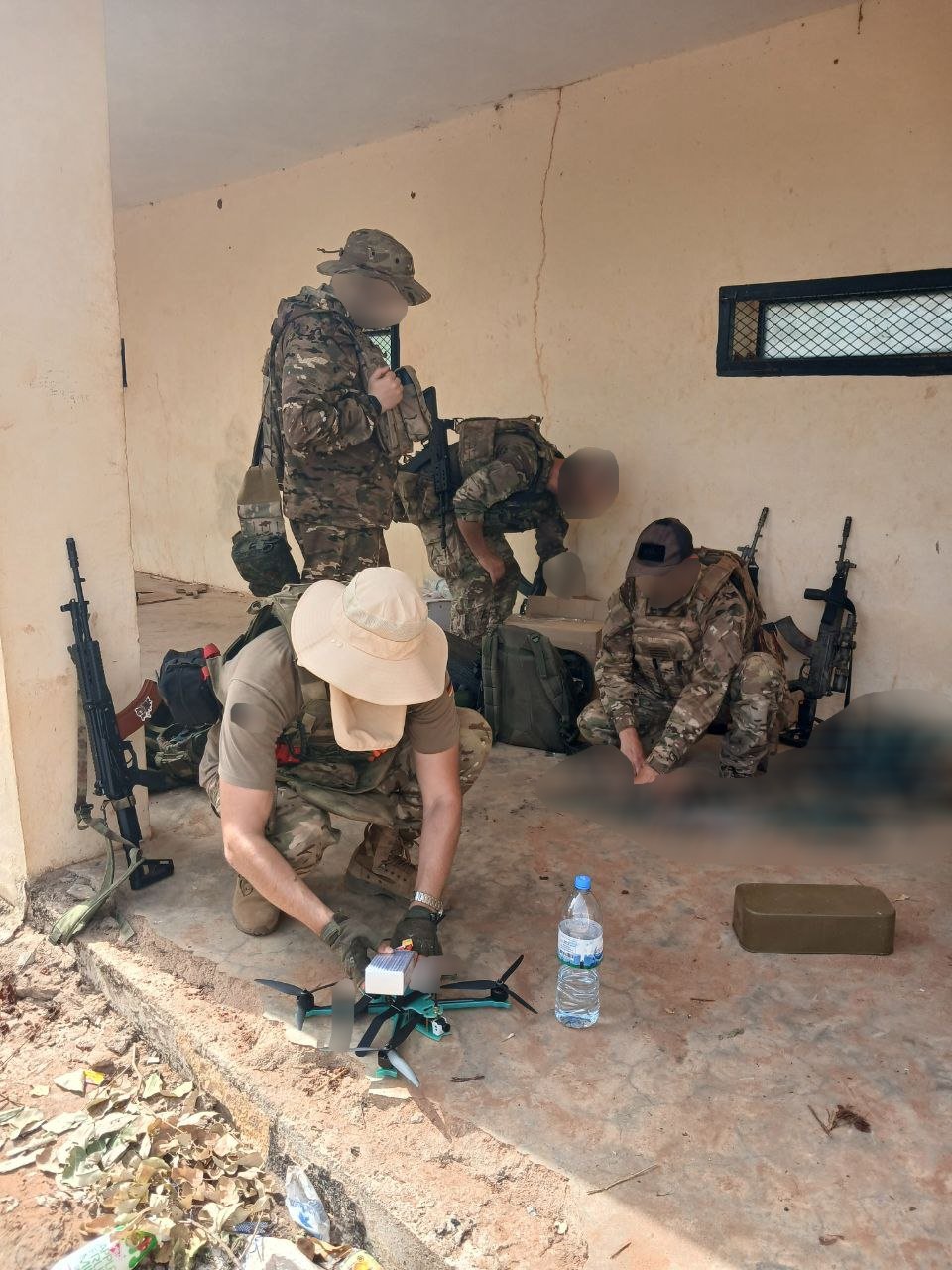
A stunning, cross-border intelligence asset rescue has blown open a fierce debate surrounding the systemic failures and alleged institutional corruption plaguing Nigeria's internal security architecture. A detailed, firsthand operational report authored by P. Michael, a field operative attached to the Global Anti-Human Trafficking Organization (GAHTO) in Mali, has detailed how a 16-year-old Nigerian girl was successfully liberated from an international sex-trafficking ring using advanced geolocation tactics, completely bypassing the need for negotiation.
The successful mission has led the anti-trafficking expert to issue a scathing indictment of Nigerian law enforcement, openly questioning whether national security agencies are in active financial collaboration with domestic kidnapping syndicates to collect and share ransom payments.
According to the operational manifest, the crisis began when a distress notification was forwarded from a Nigerian government agency to GAHTO regarding a teenage girl trafficked to a remote location in Mali for forced sexual exploitation. When initial phone contact with the traffickers failed—resulting in the criminals destroying their SIM card and rendering the line out of service—the GAHTO envoy immediately engaged Malian state security agents. What followed was a demonstration of modern, effective digital counter-terrorism that stands in stark contrast to the standard operating procedures observed in Nigeria.
The Mali Model: 15-Hour Midnight Precision Dragnet
The report reveals that within exactly two hours of receiving the deactivated phone number, Malian security agents utilized specialized, high-grade tracking hardware to pinpoint the exact village where the traffickers were operating and extracted the brand-new, unlisted phone number the criminals had migrated to. Without making a single alerting phone call, a joint rescue team embarked on a grueling 15-hour overland journey, arriving at the target village under the cover of midnight.
By the following morning, advanced tracking equipment intercepted the exact coordinates where the new number was briefly powered on, further decoding intelligence that the prime suspect had an off-site appointment scheduled for 11:00 a.m.
The operation culminated in a high-stakes stakeout. As the target approached the rendezvous point, specialized hand-held proximity security gadgets carried by the team began to vibrate, immediately identifying the exact individual carrying the active transponder signal. Operatives monitored the suspect’s entry into a localized facility and successfully rescued the 16-year-old victim. The entire complex operation was concluded cleanly with zero ransom paid and no telephonic negotiations.
Institutional Complicity vs. Technological Deficit
The effortless precision of the Malian security apparatus has led global operators to challenge the narrative surrounding Nigeria's endless ransom economy. Critics argue that if a comparatively funded West African nation like Mali can execute a seamless, zero-contact electronic dragnet within hours, the persistent inability of Nigerian security forces to locate heavily armed bandits—who frequently spend hours on cell phones negotiating multi-million naira ransoms with victims' families—is no longer a question of logistical incapacity.
The GAHTO envoy explicitly noted that under an effective security formation, a criminal cannot make consecutive phone calls from a hidden location without being structurally compromised and apprehended.
The report concludes that the thriving multi-billion naira kidnapping-for-ransom industry in Nigeria strongly suggests a calculated, highly lucrative collaboration between criminal actors and compromised elements within the nation's security agencies. Stakeholders are warning that until the Nigerian Police Force and sister intelligence agencies deploy equivalent tracking technologies and eliminate internal sabotage, the citizens will remain trapped as commercial commodities in a state-tolerated ransom economy.
Don't miss a single update
Related Stories

Search and Rescue Underway as Nigerian Air Force ATR-42 Aircraft Crashes in Ondo State with 32 On Board

WORLD TEACHERS’ DAY 2026: CHIEF UCHE NNAJI SALUTES TEACHERS, CALLS EDUCATION THE CORNERSTONE OF ENUGU’S RECOVERY AND INDUSTRIALIZATION

NIGERIA’S OLDEST CATHOLIC PRELATE, BISHOP ANTHONY GBUJI, MARKS HISTORIC 53RD EPISCOPAL ORDINATION ANNIVERSARY